

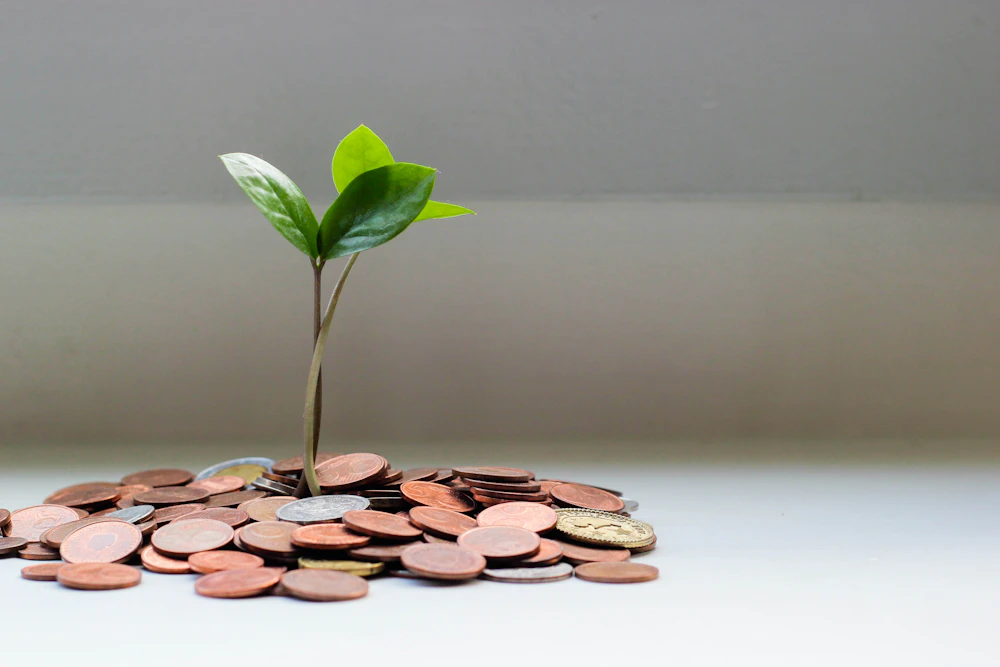
Financial stability starts with a safety net. In an economy like Nepal's, where market volatility and unexpected expenses are common, an emergency fund isn't just a suggestion—it's a necessity.
1. What is an Emergency Fund?
An emergency fund is a stash of money set aside to cover larger, unexpected expenses, such as medical emergencies, job loss, or urgent home repairs. It should be separate from your regular savings and highly accessible (liquid).
2. How Much Should You Save?
The general rule of thumb is to save 3 to 6 months of essential living expenses. In Nepal, given the inflation rates, aim for the higher end of that range if you are a freelancer or a business owner.
3. Where to Keep the Fund?
- Savings Account: Choose a bank with high-interest rates but ensure you can withdraw immediately.
- Liquid Funds: Consider low-risk instruments that offer better returns than standard savings accounts.
Tracking your monthly expenses is the first step to knowing your emergency fund target. KhataIn makes this easy by giving you a clear picture of your "Need" vs "Want" spending every month.